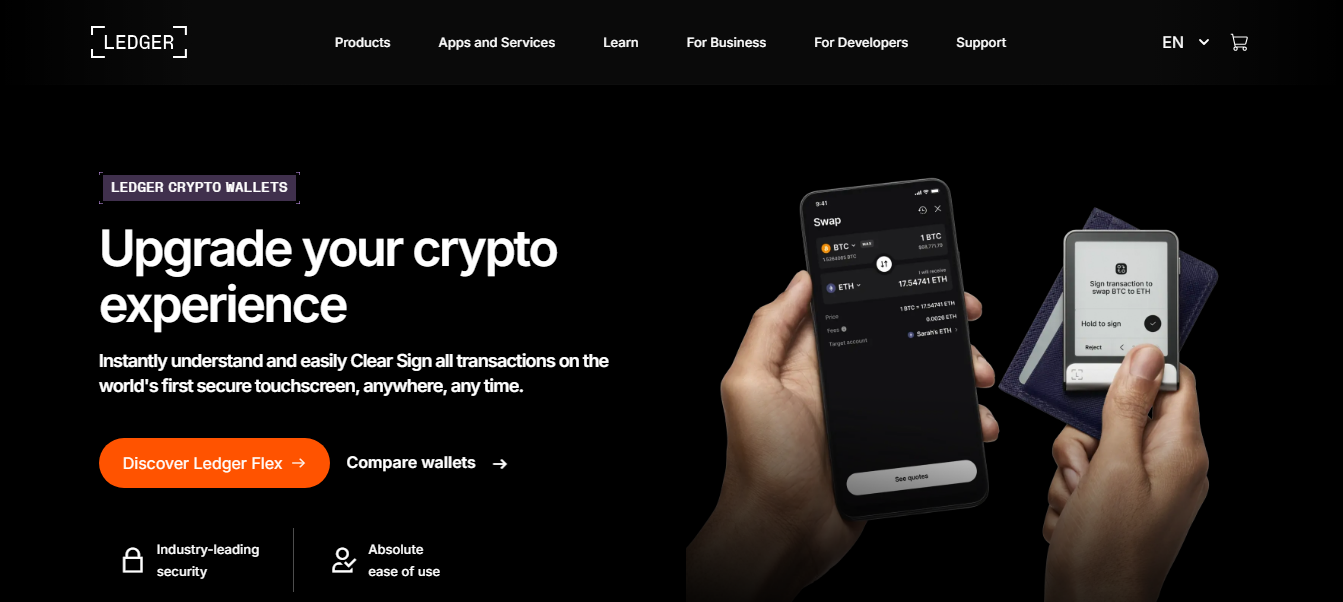
Cryptocurrency ownership brings full financial control — but also full responsibility. Unlike banks or custodial exchanges, there’s no customer service desk that can restore lost private keys. This reality makes secure storage critical for anyone holding digital assets.
Ledger.com/start is the official setup gateway for Ledger hardware wallets. It provides a safe environment where users can download authentic Ledger Live software, initialize their devices correctly, and secure their recovery phrases. Whether you’re brand new to crypto or managing an advanced portfolio, Ledger.com/start ensures your wallet is configured using trusted procedures from the beginning.
This guide explains how Ledger.com/start works, why it matters, and how to use it to protect your crypto holdings for the long term.
Ledger.com/start is Ledger’s verified onboarding platform that walks users through activating and securing their hardware wallets. It removes guesswork and prevents exposure to fake apps, compromised firmware, or phishing websites.
Through this portal, users can:
Using Ledger.com/start guarantees that every step follows Ledger’s official security standards.
Ledger wallets are designed to keep private keys completely offline inside a tamper-resistant Secure Element chip. This architecture protects assets even if your computer or smartphone becomes infected with malware.
Ledger.com/start is the trusted gateway into this security ecosystem.
Ledger.com/start works with all current Ledger hardware wallets:
Both models follow the same secure onboarding workflow.
Follow these steps carefully to ensure your wallet is initialized securely.
Open your browser and type:
ledger.com/start
Avoid clicking ads or third-party links. Bookmark the page for future updates and downloads.
Select your device model on the setup screen so Ledger Live can provide compatible firmware and instructions.
Ledger Live is Ledger’s official software hub that lets you:
Ledger Live is available for Windows, macOS, Linux, Android, and iOS and should only be downloaded from Ledger.com/start.
After downloading:
Ledger Live will guide you through every remaining step.
Connect your Ledger Nano S Plus via USB or pair your Ledger Nano X using Bluetooth or USB. Power on the device and press both buttons to begin.
You’ll be prompted to choose a PIN:
This PIN protects your wallet from unauthorized physical access.
Your Ledger device will generate a 24-word recovery phrase, displayed one word at a time. This phrase is the only way to recover your assets if your device is lost or damaged.
Ledger Live will confirm your backup before proceeding.
Ledger Live performs a cryptographic check to confirm your device is genuine and running official firmware. This step protects you from tampered or counterfeit hardware.
Each blockchain requires its own app installed on your Ledger device. Common examples include:
You can install and uninstall apps anytime without losing funds.
Once apps are installed:
Your Ledger wallet is now fully operational.
Ledger Live unlocks a full crypto management suite.
View balances and performance across all supported assets in real time.
Trade crypto directly within Ledger Live through trusted third-party providers.
Securely store and transfer NFTs on Ethereum and Polygon networks.
Earn passive income by staking supported coins such as Ethereum, Solana, Cosmos, Polkadot, and Tezos.
Receive verified updates that improve security and compatibility.
Your Ledger wallet is highly secure by design, but user habits remain essential.
Ledger will never request your recovery phrase — not by email, chat, or phone.
Only use Ledger.com/start to download Ledger Live or access setup instructions.
Avoid predictable combinations like 1234 or 0000.
Store them in fireproof safes, metal backups, or multiple secure locations.
Avoid public computers or unsecured networks when managing crypto.
Your cryptocurrency is not stored on the physical device — it exists on the blockchain. The Ledger wallet only holds your private keys.
If your device is lost:
As long as your recovery phrase remains secure, your assets are safe.
Here’s how Ledger hardware wallets compare to software wallets:
FeatureLedger Hardware WalletSoftware WalletKey StorageOfflineOnlineMalware ProtectionVery HighModerateTransaction ApprovalPhysical deviceSoftware-basedLong-Term StorageIdealLimitedRecovery Method24-word phrasePassword/email
Ledger.com/start combines security and usability in one solution.
Ledger.com/start ensures:
Using unofficial sources significantly increases the risk of compromised wallets.
Ledger.com/start is built for users of all experience levels:
No advanced technical skills are required to secure crypto with Ledger.
Add a 25th word passphrase for hidden wallets and enhanced security.
Separate long-term holdings from active trading funds.
Use Ledger with MetaMask, Phantom, and WalletConnect for DeFi, NFTs, and Web3 apps — without exposing private keys.
Use metal backup tools for disaster-resistant storage.
Ledger Nano X users can complete setup using smartphones:
This allows full crypto management without a desktop computer.
Ledger does not use traditional login systems. There are:
Security relies entirely on your hardware wallet, PIN, and recovery phrase — ensuring full user control.
Ledger firmware updates improve security, stability, and asset support. Always:
Ledger.com/start ensures all firmware is verified and authentic.
Ledger.com/start is ideal for:
Anyone who values security and ownership benefits from Ledger hardware wallets.
Ledger protects millions of users globally through:
Ledger.com/start plays a vital role in delivering this trusted security experience.
Ledger.com/start is the safest and most reliable gateway to self-custody crypto security. By following the official setup process — installing Ledger Live, choosing a strong PIN, backing up your recovery phrase, and installing blockchain apps — users gain complete ownership of their digital assets.
In a crypto ecosystem filled with phishing scams and exchange risks, Ledger.com/start offers peace of mind through offline private key storage, device-level authentication, and verified software downloads.